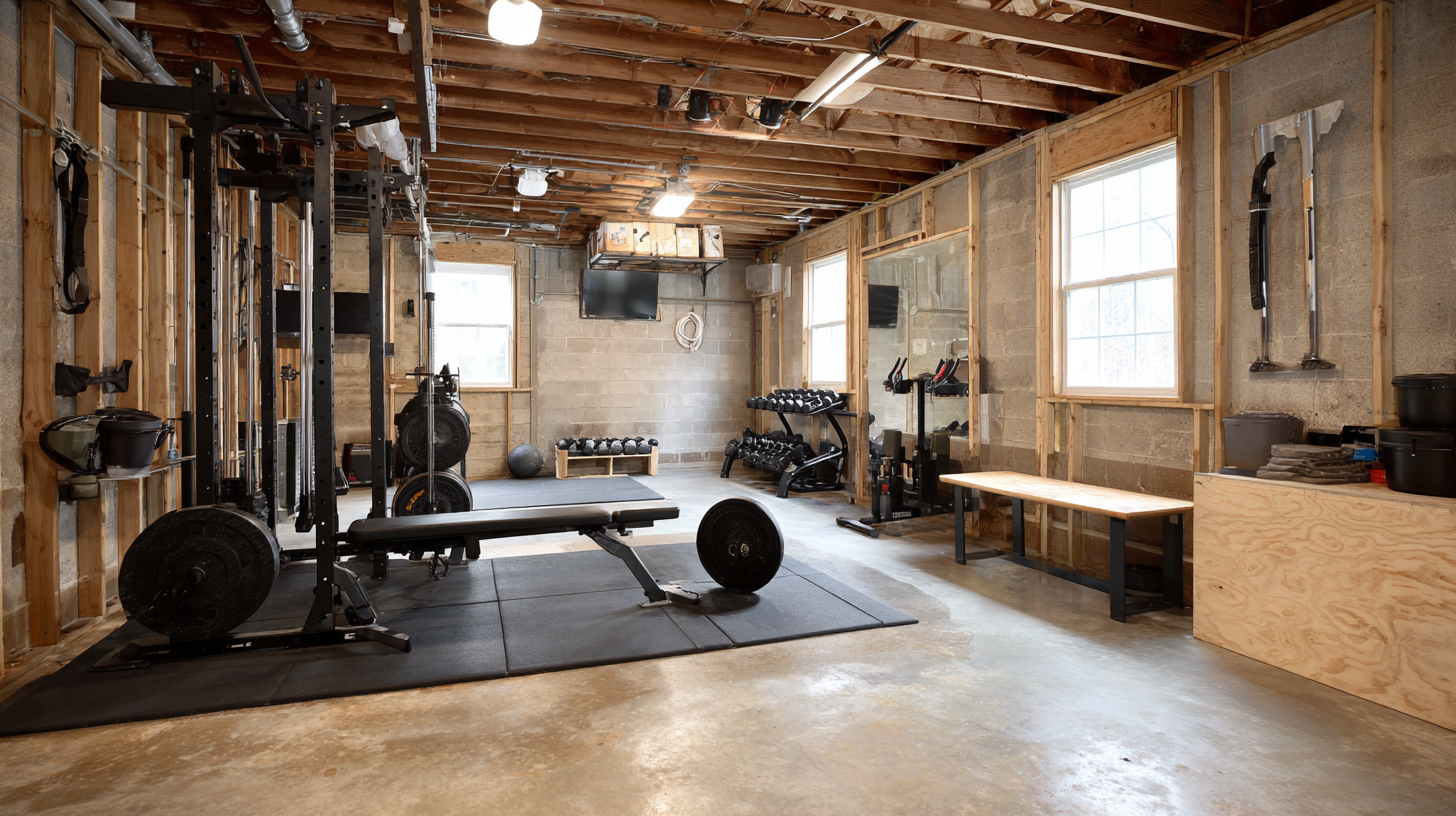
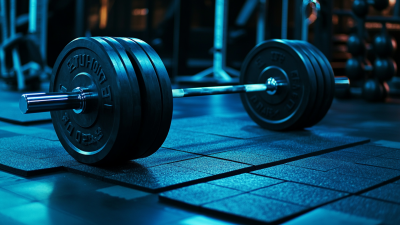
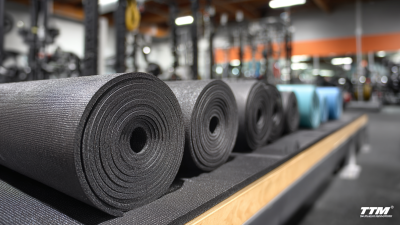
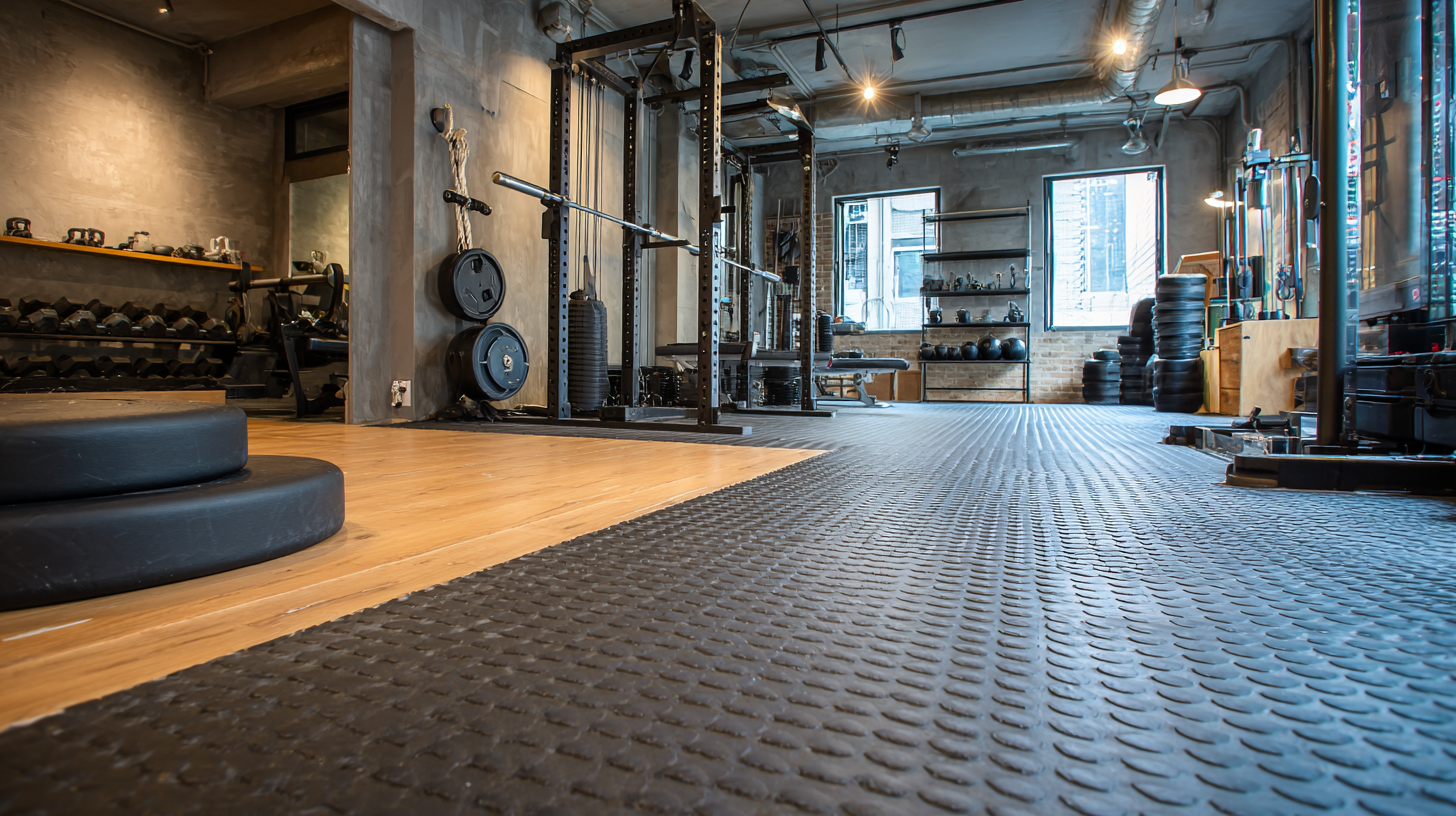
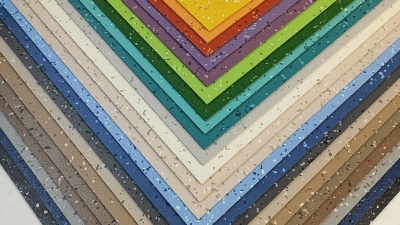
Hey, you know what? Picking the right Gym Flooring is super important for making your home workout space both effective and safe. A report from IBISWorld actually shows that the gym flooring market is booming! More and more folks are really putting their money where their health is, turning their homes into fitness havens. With so many choices out there—like rubber, foam, and vinyl—it really pays to think about things like durability, safety, and how it looks.
Over at Sanhe Do It The Way Sporting Industrial Co., Ltd., we totally get how crucial these factors are for creating high-performance workout areas. Our FITFLOR line offers some pretty cool solutions that cater to a bunch of different needs, from sports venues to training facilities and fitness centers. Choosing the right flooring doesn’t just boost your performance; it also helps prevent injuries and creates a welcoming vibe. In the end, it can really transform your workout space into something motivating and inspiring!
Understanding Different Types of Gym Flooring Materials for Home Workouts
So, you’re thinking about picking the right gym flooring for your home workout area? That’s a smart move! It's super important to know the different flooring materials out there since each one has its own perks and is better suited for specific activities. For example, Rubber Flooring is a favorite among many folks because it’s really durable and absorbs shock well, making it just right for high-impact stuff like weightlifting or those intense HIIT sessions. Plus, it has great traction, which is a lifesaver when you’re pushing yourself hard and don’t want to risk slipping.
Now, if you’re looking for something lighter and often a bit easier on the wallet, foam flooring might be the way to go! It’s perfect for yoga, pilates, or just about any workout where you want a little extra cushioning. The mats are super easy to set up and if you need to change things up later, you can just swap out individual pieces. That’s a real bonus if you move around a lot or want to give your space a fresh look from time to time.
And hey, if your workouts tend to be more low-impact, you might want to consider hardwood or laminate flooring. They look classy but here’s the catch: they can get a bit slippery. So, it’s a smart idea to throw down some area rugs or mats to make sure you’re safe when you’re getting your sweat on. In the end, each type of gym flooring has its own cool features, letting you create a workout space that truly fits your vibe and needs.
Key Factors to Consider When Choosing Gym Flooring
Choosing the right gym flooring for your home workout area can feel a bit overwhelming, but it doesn't have to be! First off, think about the kinds of exercises you’ll be doing. If you’re all about those high-impact moves—like jumping or running—you’ll want flooring that helps absorb some of that shock to keep your joints safe. Rubber Mats or foam tiles are usually a good bet for that, you know? And if weightlifting is more your jam, then go for something dense and durable. It’ll not only keep your flooring intact but also give you a stable base for lifting.
Don't forget about how the flooring can influence your workouts! Having a good grip is essential for safety and can really help you get the most out of your routine.
Now, let’s talk about upkeep. Different materials come with different maintenance needs. Rubber flooring is pretty low-key and easy to clean, which is awesome. But on the flip side, those carpet tiles can hold onto dust and funky smells—yikes! Also, think about the entire look of your gym space. The flooring should really vibe with the design of the room. The colors and textures you choose can either pump you up to work out or totally throw you off your game. So, finding a balance between functionality and style is super important for creating a workout space that feels inviting and effective.
How to Choose the Best Gym Flooring for Your Home Workout Space - Key Factors to Consider When Choosing Gym Flooring
| Flooring Type | Material | Durability | Comfort | Maintenance | Cost (per sq ft) |
| Rubber Tiles | Rubber | High | Moderate | Low | $3 - $6 |
| Foam Mats | Foam | Low | High | Medium | $1 - $3 |
| Carpet Tiles | Carpet | Medium | High | Medium | $2 - $5 |
| Vinyl Flooring | Vinyl | Medium | Moderate | Low | $2 - $4 |
| Hardwood | Wood | High | High | Medium | $5 - $10 |
Top 5 Benefits of High-Quality Gym Flooring for Home Use
So, if you’re thinking about setting up a home workout space, let me tell you—choosing the right gym flooring is super important! Seriously, you can’t overlook it. One of the biggest perks? Safety! Good flooring really cuts down the risk of slipping and falling, which is a total game changer when you're doing high-impact workouts or cardio sessions where you might lose your balance.
And then there’s durability. Quality gym flooring can take a beating from heavy equipment and intense workouts, without falling apart on you. You want flooring that’s built to last, right? Not only does this help protect your investment, but it also saves you some cash in the long run, since you won’t be replacing it every few months.
Comfort is another biggie! You should totally look for flooring that has shock absorption. It’s a lifesaver for your joints and also helps keep the noise down—no one wants to disturb the peace while they're trying to get their sweat on! Remember to think about your workout style when picking your flooring. For instance, foam tiles are awesome for things like yoga and pilates, while rubber flooring is fantastic for weightlifting or those intense training sessions.
Comparing Cost-Effectiveness of Popular Gym Flooring Options
So, if you’re thinking about getting some gym flooring for your home workout space, it’s super important to really consider the cost-effectiveness of the different options out there. You’ve got some popular choices like rubber, vinyl, and foam flooring, and they all serve different needs and budgets. Now, rubber flooring might be a bit on the pricier side at first, but trust me, its durability and shock absorption are off the charts. This makes it perfect for heavy lifting and those intense workouts. On the flip side, vinyl flooring is pretty budget-friendly and super easy to clean, making it a great fit for spaces where you might do a mix of things and lighter exercises.
When you’re picking the right flooring, here are a few things to keep in mind: first up, think about the type of workouts you plan to do. If you’re more into cardio, a softer surface like foam might just do the trick for you. But, if strength training is your focus, investing in rubber will really pay off in the long haul. Next, don’t overlook the installation and maintenance costs – some flooring options are just a breeze to install and require way less upkeep than others. And lastly, let’s not forget about how it looks! You definitely want to pick a flooring style that vibes well with your home décor and keeps you motivated to get moving.
How to Properly Install and Maintain Your Home Gym Floor
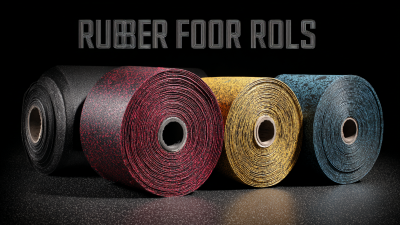
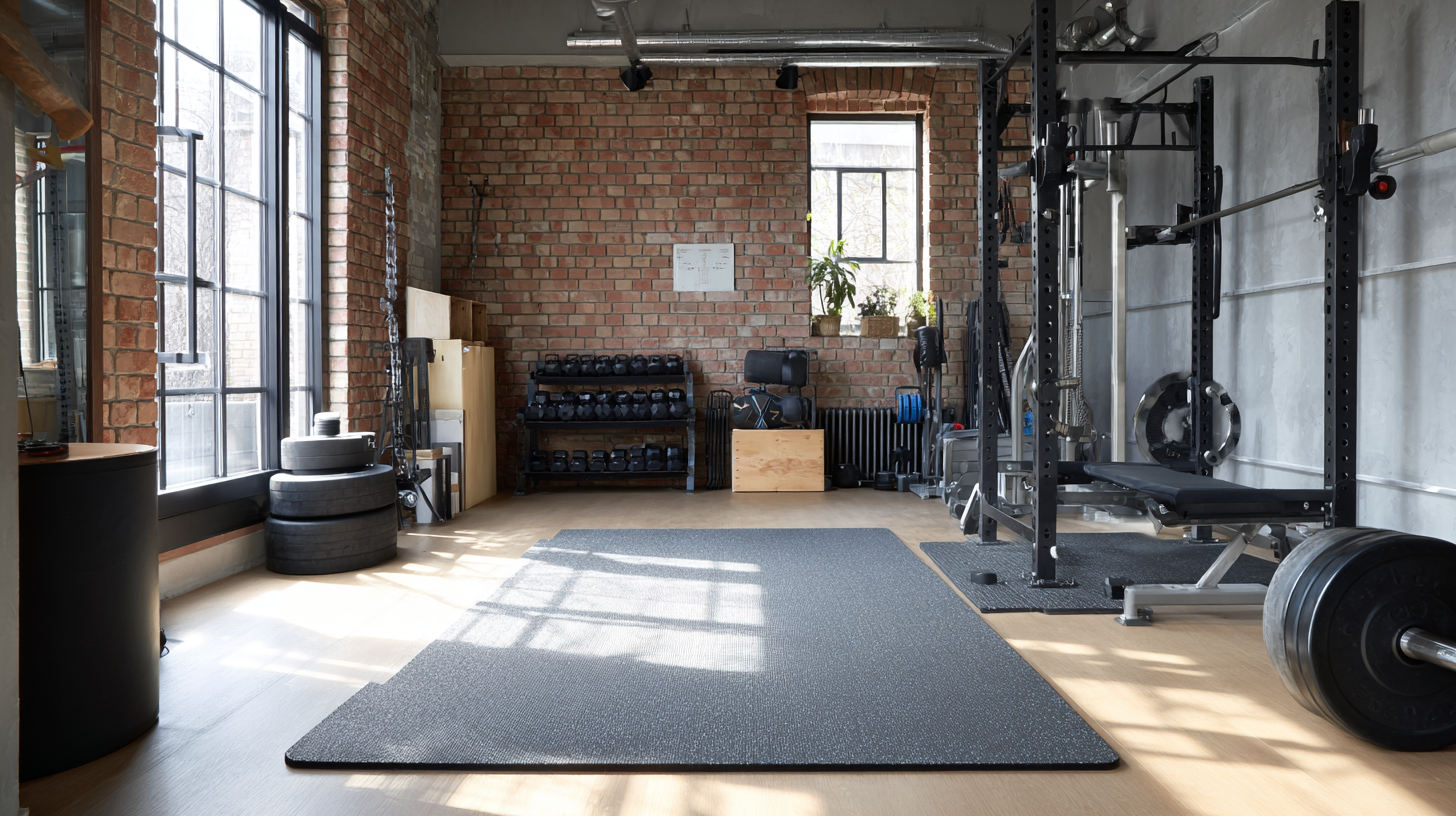
So, you’re thinking about setting up the perfect home gym, huh? Well, let me tell you, getting your flooring just right is super important for keeping things safe and making sure your workouts are effective. First things first: you’ve gotta start with a clean and even surface. Before you dive into laying down your flooring—whether you're going with foam tiles, rubber rolls, or those snazzy vinyl planks—make sure the area is cleared of dust and any debris. For some materials, like rubber tiles, it's really important to use adhesive to keep things locked in, while others might just click together. And hey, don't forget to check out the manufacturer’s guidelines for any tips that’ll help you out during the setup process. You want it to go smoothly, right?
Now, maintaining that gym flooring? Oh man, that’s just as crucial! Regular cleaning should definitely be on your to-do list. Typically, that means sweeping or vacuuming to knock off any loose dirt and then giving it a good mop at least once a week with a cleaner that’s right for the job. Try to avoid those harsh chemicals since they can mess with the materials over time. If you start to notice any scratches or dents, don’t wait around—addressing those issues quickly will help keep things looking good and, you know, safe for your workouts. With the right installation and a little bit of care, your home gym floor can be the solid base for so many awesome workouts to come!
Gym Flooring Material Preferences
Expert Tips for Creating an Inviting Home Workout Space with the Right Flooring
So, if you’re thinking about setting up a sweet home workout zone, the flooring you choose is super important. A recent study from the National Academy of Sports Medicine (NASM) found that having the right kind of gym flooring can really up your game and keep you safe—like, it can cut down the chance of getting hurt by up to 30%! Seriously, whether you’re pumping iron or getting your yoga flow on, what’s under your feet can really shake things up.
When you’re picking out flooring, think about options like rubber, foam, or vinyl—they each come with their own perks. For example, rubber flooring is a champ when it comes to durability and shock absorption, which makes it a great pick for those high-impact workouts. And if you’re more into stretching or lower-impact stuff, foam tiles are pretty awesome because they keep things comfy while you’re working out.
Quick tip: If you’re doing any weightlifting or intense workouts, splurging a bit on some thick, interlocking rubber mats is a smart move. They create a solid base for your lifts and help quiet down any noise and vibrations.
Another tip: If your space is multi-purpose, go for vinyl flooring that looks a lot like wood or tile. It’s not just nice to look at but also super easy to clean, which is a win when you’re trying to keep things fresh and inviting for your workouts.
So, when you’re putting together your home gym, remember that the right flooring can really boost both how it functions and your motivation. It can take your regular workout and turn it into something you actually enjoy.
Maximizing Your Gym's Efficiency: Insights from 2023 Fitness Flooring Market Reports on Virgin Rubber Roll Gym Commercial Flooring
Maximizing a gym's efficiency involves not just the layout and equipment but also understanding the flooring that can support various activities. According to recent data from the 2023 Fitness Flooring Market Reports, gym owners are increasingly recognizing the need for high-performance flooring solutions. Virgin Rubber Roll, made from natural rubber, stands out as a prime choice due to its versatile applications in multiple fitness areas including aerobic zones, rehabilitation spaces, and heavy equipment areas.
The exceptional strength support and cushioning properties of Virgin Rubber Roll enhance the workout experience, providing a safe and comfortable environment for users. The report indicates that gyms equipped with suitable flooring report a noticeable increase in member satisfaction and retention rates. Furthermore, the flexibility of Virgin Rubber Rolls, available in thicknesses of 4-12mm alongside optional 20mm or 40mm shock pads, allows for composite installations tailored to specific areas such as strength training and weightlifting platforms, where impact resistance is crucial.
Innovative flooring solutions not only elevate the aesthetic of gym spaces but also contribute significantly to operational efficiency. The 2023 data highlights a trend where facilities with advanced flooring materials are seeing improved class participation and loyalty from clientele, demonstrating the correlation between quality flooring and gym performance. Investing in Virgin Rubber Roll could thus be a strategic move for gym owners looking to maximize their facility's potential.
FAQS
: One of the primary benefits is enhanced safety, as good flooring reduces the risk of slips and falls, providing a stable and secure surface for exercises.
High-quality materials can withstand heavy equipment and rigorous activities without showing signs of wear and tear, protecting your investment and reducing the need for frequent replacements.
Look for flooring that offers shock absorption, as it protects your joints during workouts and helps reduce noise.
Foam tiles are recommended for yoga and pilates due to their comfort and flexibility.
Proper installation begins with a clean, level surface, and each flooring material may have specific requirements; for instance, rubber tiles may need adhesive for secure placement, while others can simply lock into place.
Regular cleaning, including sweeping or vacuuming to remove dirt and weekly mopping with a suitable floor cleaner, is essential to prolong its life and functionality.
Yes, it's important to avoid harsh chemicals that might damage the material over time.
Address any wear and tear, such as scratches or indentations, promptly to maintain both the aesthetic and safety of your workout environment.